
Sustainability Meets Personalization: The Next Revolution in Packaging
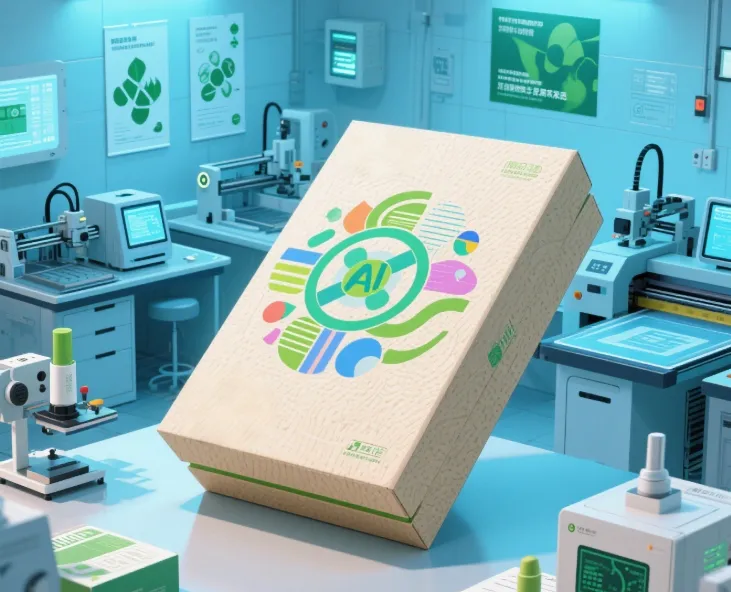
As brands race to stand out in a market saturated with choices, the packaging industry continues to evolve at a breakneck pace—driven by innovation, consumer demands, and a growing urgency for sustainability. While digital printing, AI-driven design, and smart packaging have already redefined how brands connect with customers, the next wave of transformation lies in merging two critical trends: eco-conscious materials and hyper-personalization.
Today’s consumers aren’t just buying products—they’re investing in stories, values, and experiences. A recent survey by a leading market research firm found that 78% of global shoppers are more likely to choose brands with packaging that aligns with their environmental values, while 65% admit personalized packaging makes them feel a stronger emotional connection to a brand. This dual expectation is pushing packaging innovators to rethink traditional approaches.
Sustainability is no longer a buzzword but a business imperative. Brands are ditching single-use plastics in favor of biodegradable alternatives, mushroom-based packaging, and recycled materials that don’t compromise on durability or aesthetics. What’s game-changing, however, is how these eco-friendly materials are being paired with cutting-edge printing technologies. Digital printing, for instance, allows brands to use water-based inks and minimal waste, while enabling small-batch runs—perfect for limited-edition products or regional campaigns. This not only reduces carbon footprints but also lets brands test creative ideas without overproducing.
Personalization, powered by AI, is taking this a step further. Imagine a skincare brand that uses AI algorithms to analyze customer data—from skin type to purchase history—and designs custom packaging with tailored messages or ingredient highlights. Or a food brand that prints QR codes on packaging, linking consumers to recipes personalized to their dietary preferences. These touches turn packaging into a two-way conversation, turning first-time buyers into loyal advocates.
Small businesses, in particular, are benefiting from this shift. Thanks to AI tools that simplify design processes and affordable digital printing services, even startups can now create packaging that feels premium and purposeful. A local craft brewery, for example, recently used AI to design seasonal labels that reflect local festivals, printed on recycled paper—boosting sales by 30% in just three months.
But the true magic happens when sustainability and personalization work in harmony. A cosmetic brand, for instance, might use AI to predict which packaging designs resonate most with eco-conscious millennials, then produce those designs using plant-based materials and renewable energy. The result? Packaging that tells a story of both care for the planet and care for the customer.
As we look ahead, the role of packaging as a “silent salesman” will only grow. It will no longer be enough to protect a product—packaging must educate, engage, and inspire. Brands that embrace this duality—leveraging technology to personalize while prioritizing the planet—will not only win in the marketplace but also leave a lasting legacy.
In this era of informed consumers, the question isn’t whether your packaging can keep up—it’s whether it can lead. The future belongs to those who dare to innovate with purpose.