
AI-Powered Packaging: Redefining Sustainability, Personalization, and Storytelling in 2025
AI-Powered Packaging: The Next Chapter in Intelligent, Sustainable Storytelling
In 2025, the packaging industry stands at the cusp of a transformative era, where artificial intelligence isn’t just enhancing processes—it’s redefining the very essence of how brands connect with consumers. Building on the momentum of innovations like digital printing, smart packaging, and narrative-driven design, AI is weaving together sustainability, personalization, and storytelling into a seamless, consumer-centric ecosystem.
At the heart of this revolution is 'AI’s ability to turn data into dialogue**. Advanced algorithms now analyze vast troves of consumer behavior data—from social media trends to purchase patterns—to identify unmet needs and emotional triggers. For instance, a skincare brand using AI might discover that millennial consumers in urban areas respond strongly to packaging that highlights “clean ingredients” and local sourcing stories. Armed with this insight, AI can then generate personalized design prototypes that blend eco-friendly materials (like recycled paper or plant-based plastics) with narrative elements, such as QR codes linking to short videos of farmers growing key ingredients. This fusion of sustainability and storytelling doesn’t just sell a product; it invites consumers into a brand’s world, fostering loyalty that transcends transactions.
AI is also revolutionizing production efficiency, a critical pillar of sustainability. Traditional packaging design often involves multiple iterations, wasted materials, and lengthy timelines. But with AI-powered tools, brands can simulate designs in 3D, test durability, and even predict consumer reactions—all before a single physical prototype is made. For example, a beverage company launching a new line of organic juices can use AI to optimize bottle shape for minimal material use while ensuring it’s easy to grip and stands out on shelves. Algorithms can also analyze supply chains to recommend local suppliers for packaging materials, reducing carbon footprints associated with transportation. This not only cuts costs but aligns with the growing consumer demand for brands that walk the talk on sustainability.
Personalization, once a niche luxury, is becoming mainstream thanks to AI. Gone are the days of one-size-fits-all packaging; today’s consumers expect experiences tailored to their preferences. AI makes this scalable by analyzing data from past purchases, social media interactions, and even demographic information to create hyper-targeted designs. A chocolate brand, for instance, might use AI to generate custom wrappers for different occasions: vibrant, playful designs for birthdays, elegant, minimalist ones for anniversaries, and eco-themed options for environmentally conscious buyers. Each wrapper can include a personalized message or a unique discount code, turning a simple treat into a memorable, individualized gift. This level of personalization doesn’t just drive sales—it makes consumers feel seen, deepening their emotional bond with the brand.
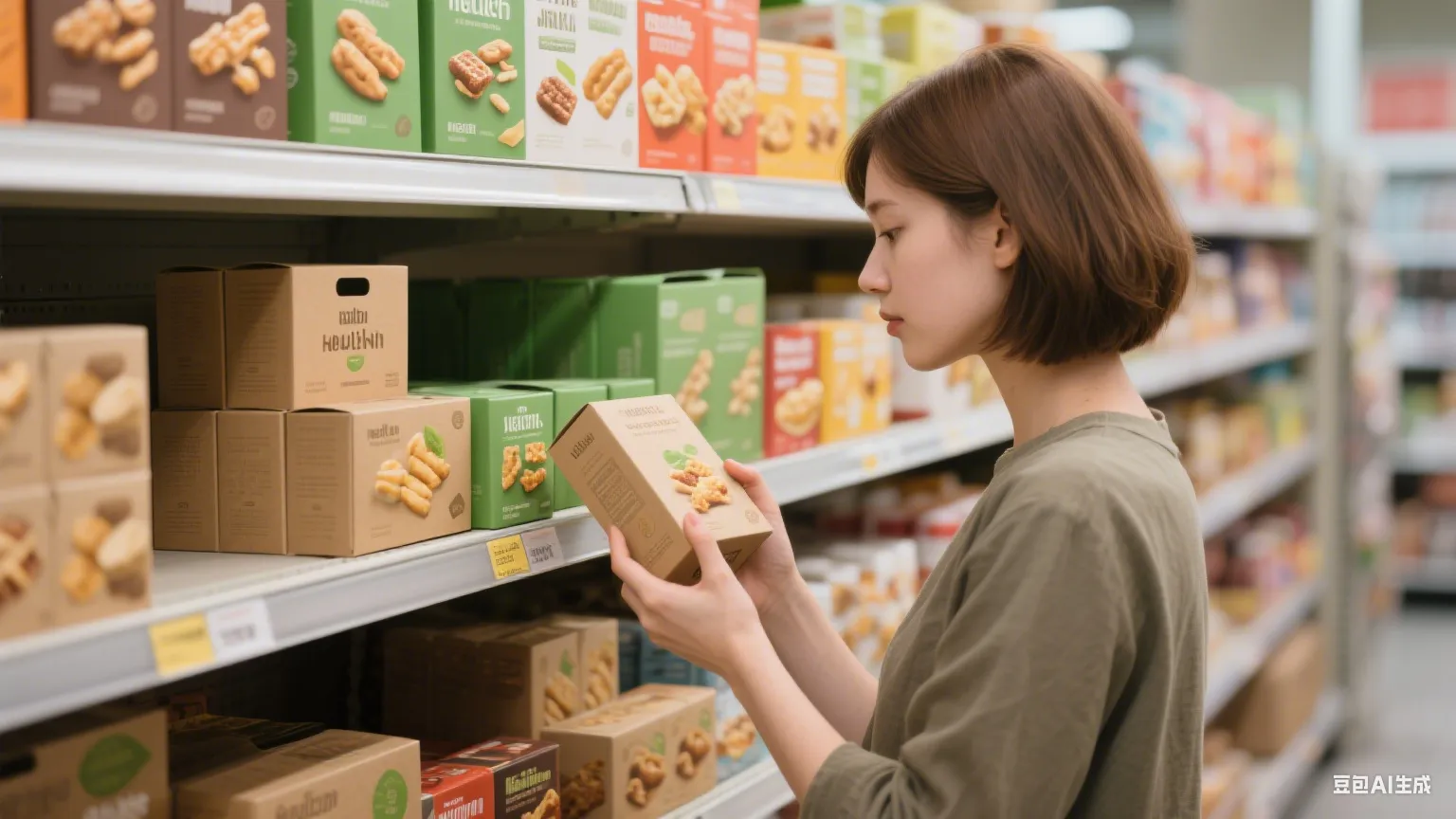
Perhaps most exciting is how AI is amplifying the “silent salesman” role of packaging. In crowded retail spaces, packaging needs to capture attention in seconds. AI algorithms can analyze shelf layouts, competitor designs, and color psychology to create packaging that stands out. For example, in a sea of brightly colored snack packages, AI might recommend a muted, earthy palette for a health-focused brand, using contrast to draw the eye. Additionally, smart packaging—equipped with sensors or NFC tags—paired with AI can provide real-time value. A coffee brand’s packaging, for instance, could use a sensor to detect freshness and an AI chatbot to send consumers a reminder when it’s time to reorder, or suggest recipe ideas based on how they’ve brewed coffee in the past. This blend of smart technology and personalized interaction turns packaging into an active participant in the consumer journey, not just a static container.
As we move further into 2025, the role of AI in packaging will only grow. It’s not about replacing human creativity but enhancing it—giving designers, brands, and sustainability teams the tools to innovate faster, more responsibly, and more meaningfully. In a world where consumers are overwhelmed by choices, packaging powered by AI doesn’t just hold a product; it tells a story, respects the planet, and speaks directly to the individual. And in doing so, it forges the unbreakable brand bonds that will define success in the years to come.