
Packaging as a Storyteller: How Narrative-Driven Design Forges Unbreakable Brand Bonds
In the age of information overload, consumers don’t just buy products—they buy stories. They crave connection, meaning, and authenticity, and in this quest, packaging has evolved from a silent salesman to a master storyteller. Beyond protecting contents or catching the eye on a shelf, today’s exceptional packaging weaves narratives that resonate, educate, and endure—turning casual buyers into lifelong brand advocates.
The power of narrative in packaging lies in its ability to bridge the gap between a brand’s values and a consumer’s identity. Consider a craft coffee brand: instead of generic labels, its packaging features hand-drawn illustrations of the Colombian farm where the beans are grown, paired with a QR code that links to a short film of the farmer explaining their sustainable harvesting practices. Suddenly, a simple bag of coffee becomes a window into a world of heritage, ethics, and human effort. This isn’t just packaging—it’s a story that invites consumers to be part of something larger than a purchase.
Technology, particularly AI and augmented reality (AR), is amplifying this storytelling potential. AI-driven design tools, as explored in our previous pieces, now enable brands to tailor narratives to specific audiences. For instance, a skincare line using AI can analyze customer data to highlight different stories on packaging: for eco-conscious millennials, it emphasizes biodegradable ingredients and zero-waste manufacturing; for busy professionals, it focuses on time-tested formulas developed by dermatologists. This hyper-personalization ensures the story hits home, making each consumer feel seen.
AR takes it a step further, turning static packaging into an interactive experience. Imagine scanning a juice bottle and watching a 3D animation of the orchard where the fruit was picked, narrated by the grower. Or tapping a snack package to unlock a behind-the-scenes video of the recipe’s origin—passed down through three generations. These immersive moments transform passive unboxing into active engagement, embedding the brand’s story into the consumer’s memory far deeper than any advertisement could.
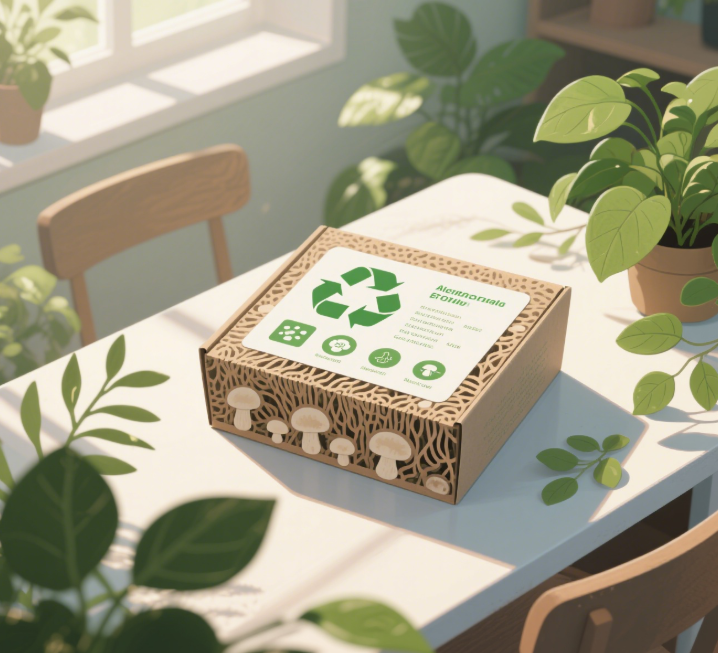
Sustainability, too, has become a central plot point in packaging narratives. Modern consumers don’t just want to hear that a brand is eco-friendly—they want to see it. Packaging made from mushroom-based mycelium or recycled ocean plastic doesn’t just reduce environmental impact; it shouts a story of responsibility. When a brand’s packaging tells the tale of its commitment to the planet—through visible recycled materials, carbon footprint stats printed with plant-based inks, or a “how to recycle me” guide—it aligns with the values of 67% of consumers who prioritize sustainability in purchasing decisions (Nielsen, 2024).
For small businesses, this narrative shift is a game-changer. With accessible tools like AI design platforms and affordable AR integration, even emerging brands can craft compelling stories without a massive budget. A local bakery, for example, can use AI to print batch-specific labels that share the story of that day’s sourdough—from the origin of the starter (a gift from a grandmother in Italy) to the 48-hour fermentation process. Paired with a simple AR trigger that lets customers “meet” the baker via a short video, this packaging turns a loaf of bread into a story of tradition and passion, setting it apart from mass-produced alternatives.
In the end, narrative-driven packaging is more than a design choice—it’s a strategic investment in brand loyalty. When consumers connect with a story, they don’t just return to buy again; they share that story with friends, post about it on social media, and defend the brand like it’s their own. In a market where products can be easily replicated, the stories told through packaging become the ultimate differentiator.
So, as brands navigate the future of commerce, let packaging be more than a container. Let it be a storyteller—one that turns pixels, paper, and passion into lasting profit.